
Two cars leave the same snowy parking lot, and one seems easier to get moving. Is the difference simply which wheels receive power? Front-wheel drive and rear-wheel drive can feel different in winter, but the tires, vehicle layout, controls, and driver's inputs all influence the result.
For Fairfax drivers, the useful comparison goes beyond the old idea that one layout is always good and the other is always bad. Both can operate safely under the right conditions. Understanding their different responses helps you prepare the car you already own and avoid expecting its driveline to create grip the road doesn't provide.
Front-Wheel Drive Combines Steering And Driving Forces
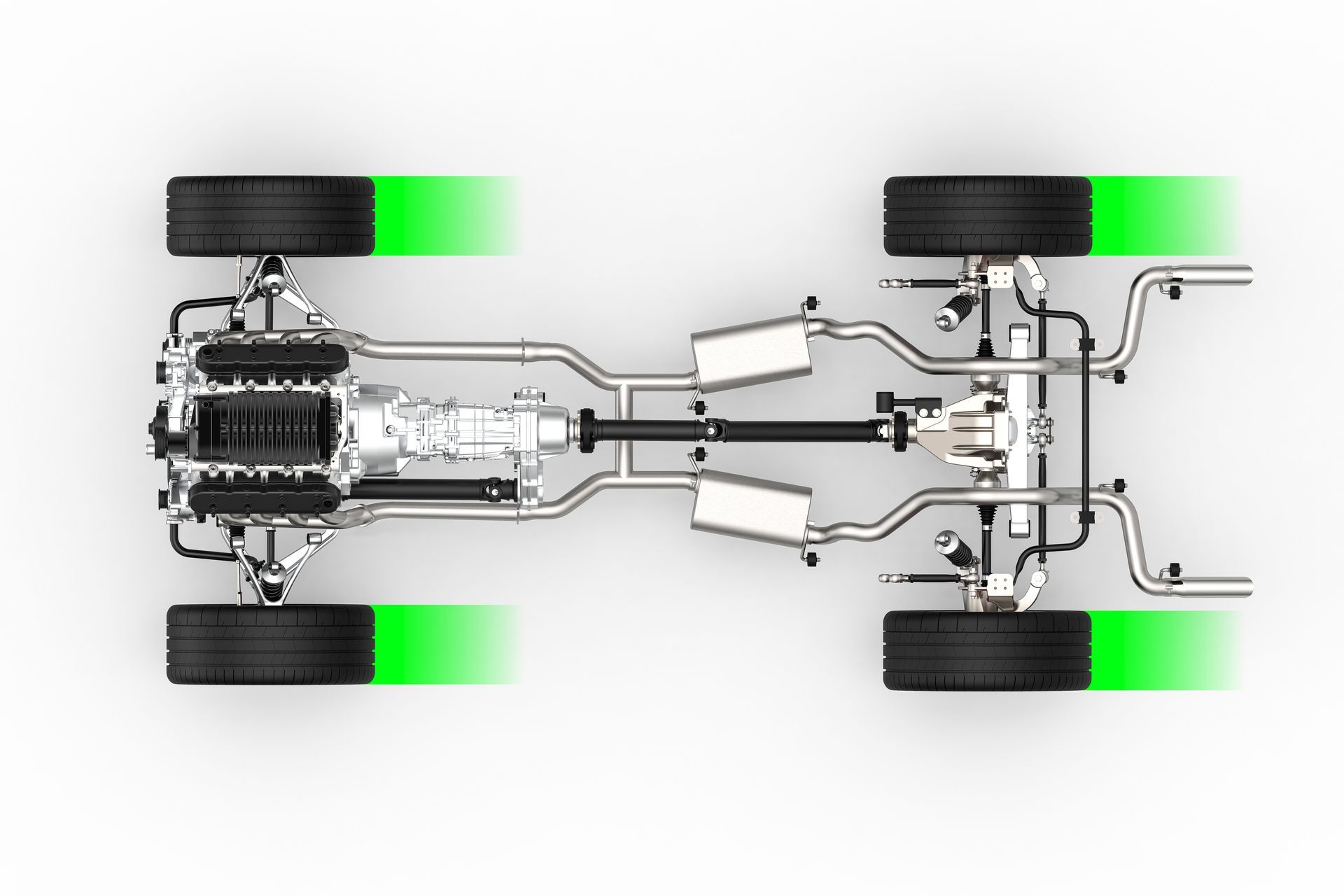
A front-wheel-drive car sends engine power to the front wheels, which also steer. On many conventional models, the engine places substantial weight over those driven tires. That arrangement can help the car pull away on a slippery surface, although the actual weight distribution varies by vehicle.
The front tires still have a limited amount of grip to share among steering, braking, and acceleration. Asking for a sharp turn and strong acceleration together can exceed it. The car may push wider than intended rather than follow the steering input closely. Reducing demands and approaching corners at a suitable speed remains necessary.
Rear-Wheel Drive Separates Steering And Acceleration
A rear-wheel-drive car uses the rear tires to deliver power while the front tires primarily handle steering and their share of braking. This arrangement can provide balanced handling characteristics in suitable conditions. In low grip, however, too much acceleration can cause the rear tires to spin and the rear of the car to move outward.
That doesn't make every rear-drive car unsuitable for winter. Tire choice, weight distribution, stability control, and power delivery can change the experience substantially. A well-prepared rear-drive vehicle can behave more predictably than a front-drive vehicle with unsuitable tires. The layout is part of the explanation, not the entire safety assessment.
Winter Tires Change The Comparison Substantially
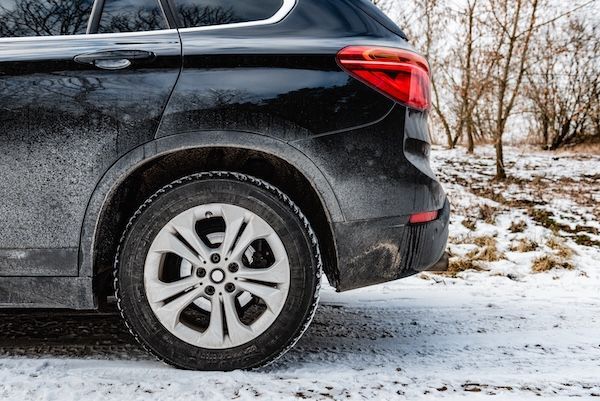
Tires determine the contact between the vehicle and the road. Their rubber compound, tread design, depth, and condition affect performance in cold, wet, snowy, or icy conditions. Winter tires are designed for specific cold-weather capabilities that other tire categories may not provide to the same extent.
Evaluate all four tires as a set. Stronger grip at one end and weaker grip at the other can change the vehicle's balance during braking or turning. Follow the manufacturer's fitment requirements and get advice suited to your driving conditions. Neither drivetrain arrangement makes worn, damaged, or incorrectly inflated tires a sensible winter choice.
Vehicle Weight Distribution Affects Winter Traction
The amount of weight supported by each tire changes the grip available, and loads shift as the vehicle accelerates, brakes, or turns. Different engine locations, battery layouts, body styles, and cargo arrangements create different behavior. Two cars with the same driven wheels may therefore feel noticeably different on the same surface.
Don't assume adding loose weight to the trunk is a universal improvement for rear-wheel drive. Secure cargo, follow loading limits, and remember extra mass affects more than initial traction. Follow the vehicle's guidance and focus first on suitable tires, correct pressures, and a sound mechanical condition.
Traction And Stability Control Support Both Layouts
Traction control can reduce power or apply braking when driven wheels spin excessively. Stability control compares the requested direction with vehicle movement and can intervene to help correct a developing slide. These functions can support either front-wheel-drive or rear-wheel-drive cars when the systems are operating normally.
Their assistance is limited by available grip. A flashing indicator may mean the system is intervening; a persistent warning can mean a fault or another specified condition. Learn your vehicle's symbols and modes. Turning systems off because they interrupt acceleration can remove useful help when the surface is already challenging.
Braking Distance Isn't Decided By The Driven Wheels
Front-wheel drive and rear-wheel drive describe power delivery, but both vehicles use brakes at all four wheels. Stopping depends on tire grip, speed, brake condition, vehicle loading, and the surface. A car that accelerates easily in snow can still need a long distance to stop.
All-wheel drive doesn't remove that limitation either. It can help distribute driving force, but it doesn't create a separate source of braking grip. Leave enough room, slow before turns, and make smooth inputs. Drive according to the road's condition rather than the confidence created by a successful launch from the last stoplight.
Winter Preparation Helps Either Drivetrain
Before colder weather, review these items:
- The type, tread condition, and compatibility of all four tires.
- Cold tire pressures using the vehicle's placard.
- Brake and suspension concerns that affect handling.
- Any traction-control, stability-control, or ABS warnings.
- The owner's instructions for drive modes and winter operation.
This preparation covers the equipment you rely on during normal driving and in difficult conditions. A driveline label can't fix an unresolved brake pull, a loose suspension component, or a tire that keeps losing pressure.
Learn Your Car's Winter Behavior Before A Difficult Trip
Read the manual and understand which controls are available before the roads become slippery. Avoid abrupt steering, acceleration, and braking. If conditions are unsafe, postpone nonessential travel rather than treating the car's equipment as a challenge to prove you can complete the route.
If the vehicle has developed a new pull, vibration, or loss of confidence, have it inspected. Describe when the change occurs and whether tires or suspension parts were recently replaced. An inspection can distinguish road-condition behavior from a mechanical concern and help you choose appropriate preparation for the car's actual configuration.
Get Winter Handling Service In Fairfax, VA
Benz Elite Automotive in Fairfax, VA, can inspect tire, brake, suspension, and warning-light concerns that affect winter driving. We can review your vehicle's configuration and explain the service supported by its condition and maintenance requirements.
Contact us to schedule an inspection for changing handling or winter vehicle preparation.