Porsche 911 owners are usually pretty tuned in to how their cars feel, so when coolant temps creep up or the warning light comes on, it gets your attention fast. The 911’s rear-engine layout, compact engine bay, and long coolant runs make its cooling system work harder than many other cars. When something in that system starts to fall behind, heat builds quickly and can damage very expensive parts if it is ignored.
Why Engine Temperature Is So Critical On A 911
The flat-six engine in a 911 is designed to run in a fairly narrow temperature range. Coolant, oil flow, and airflow all have to stay in balance if you want stable temperatures during city driving, highway runs, and spirited use. When that balance is off, the engine might still run, but you will see higher gauge readings, smells from the rear, or warning messages popping up.
There is also less room for error in a tightly packed engine bay. Heat soaks after a hard drive, especially on a hot day, can push marginal components over the edge. That is why owners who track their cars or drive them hard on back roads tend to notice small cooling issues earlier than someone who mostly cruises around town.
Common Reasons A Porsche 911 Starts To Overheat
Several parts can cause overheating on their own, and they often team up as the car ages. Some of the usual suspects include:
- Low coolant from small leaks at hoses, fittings, or radiators
- Clogged or damaged front radiators packed with leaves and road debris
- A weak or failing water pump that cannot circulate coolant properly
- A thermostat stuck partially closed or open at the wrong time
- Cooling fans that do not come on when they should because of relays, sensors, or fan failures
On some models, plastic coolant fittings and crossover pipes become brittle with age, which leads to slow leaks that are easy to miss until the system cannot hold pressure. When we see a 911 running hot, we treat the entire cooling circuit as a system and check all of these areas, not just the obvious ones.
What You Might Notice From The Driver’s Seat
Overheating does not always start with steam and warning chimes. Often, the early signs are subtle. The gauge may climb higher than usual in traffic, then drop back down once you are moving. You might smell hot coolant or a faint sweet odor after parking, even though you have not seen a puddle yet.
Under heavier use, such as a long climb or spirited back road drive, you may see a warning message telling you to pull over or reduce power. Some cars will go into a reduced output mode to protect the engine. If you ever see the temperature gauge swing up quickly rather than creep slowly, we would rather you stop and call for help than limp the car home.
Owner Habits That Quietly Raise Temperatures
A lot of overheating problems start with normal use that slowly overwhelms a cooling system that is already marginal. A few habits that can make things worse include:
- Ignoring small coolant smells or occasional drips in the garage
- Letting leaves, plastic bags, and road grime build up on front radiators and condensers
- Running hard on hot days with old coolant, an aging water pump, or original hoses
- Idling for long periods after a spirited drive instead of letting the car cool with gentle airflow
- Skipping inspections after minor front-end bumps that might have tweaked a radiator or fan shroud
We have seen many 911s where a simple radiator cleaning or early hose replacement could have prevented the bigger overheating episode that brought the car in.
Simple Checks That Can Prevent Serious Damage
You do not have to tear the car apart to spot some early warning signs. Helpful owner-level checks include:
- Watching the temperature gauge over a few weeks and learning what “normal” looks like for your car
- Looking through the front bumper openings for obvious debris blocking the radiators
- Checking the ground where you park for dried white coolant traces or fresh drips
- Listening for cooling fans kicking on after a hot drive when you stop and leave the engine running briefly
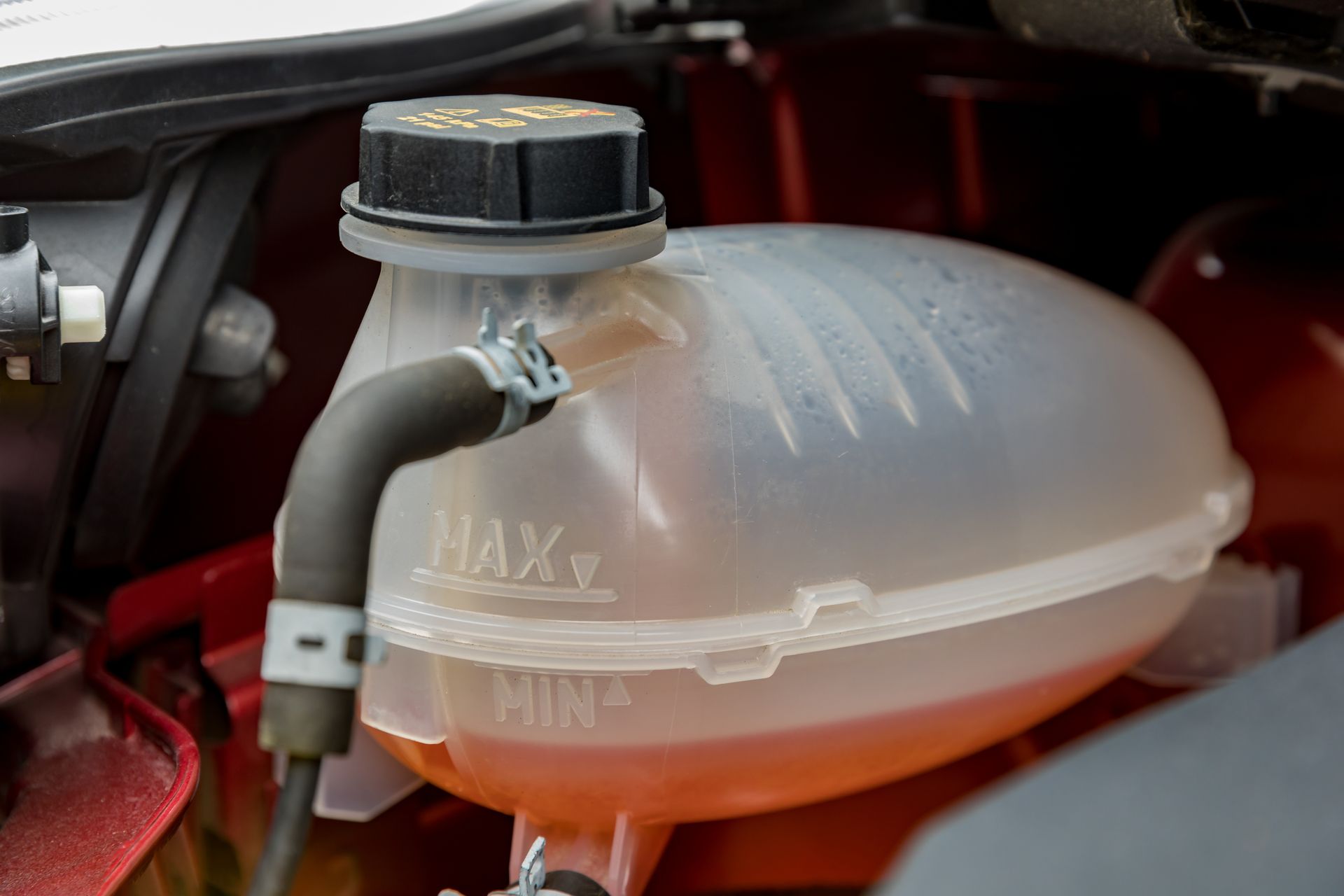
- Paying attention to any “low coolant” messages and topping off only with the correct type, not just water
If any of these checks feel off, that is usually a good time to schedule a proper inspection rather than waiting for a full overheat.
Why A Proper Cooling System Inspection Matters
A real diagnosis of a 911 cooling issue is more than just replacing a thermostat and hoping for the best. We like to pressure-test the system to find hidden leaks, verify that the water pump is circulating coolant properly, and confirm that the thermostat and fans respond to the correct temperatures. On models with multiple front radiators, each one needs to be checked for flow and external blockage.
We also look at coolant condition and service history. Old fluid loses its corrosion protection, which can slowly damage radiators and internal passages. When we put the whole picture together, we can tell you whether a simple repair will stabilize temperatures or whether a few related components should be done at the same time to avoid repeat visits.
Get Engine Overheating Repair in Fairfax, VA with Benz Elite Automotive
We work with Porsche owners who expect their cars to perform correctly in real-world traffic and on the open road, not just on paper. We can diagnose overheating, track down leaks, clean and test radiators, and replace worn parts before heat damages your engine.
Call
Benz Elite Automotive in Fairfax, VA, to schedule engine overheating repair so your 911 stays cool, strong, and ready for every drive.