
When winter arrives and snow falls across the DMV, road salt is essential for keeping roads safer and reducing ice-related accidents. While it plays an important role in winter driving safety, road salt can be extremely harsh on your vehicle. Over time, exposure to salt can cause rust, corrosion, and mechanical issues that shorten your car's lifespan. Understanding how road salt damages your vehicle and knowing how to minimize its effects can save you money and prevent long-term problems.
Why Road Salt Is So Harmful
Road salt works by lowering the freezing point of water, which helps melt ice and prevent refreezing. Unfortunately, this same chemical reaction accelerates corrosion on metal surfaces. When salt mixes with moisture, it creates an electrolyte that speeds up rust formation on steel and other metals found throughout your vehicle.
Salt doesn’t just affect what you can see. It clings to the undercarriage, seeps into seams, and settles in hard-to-reach areas where moisture lingers long after the roads dry.
Parts of Your Car Most Affected by Road Salt
While salt can impact nearly every part of your vehicle, certain components are especially vulnerable.
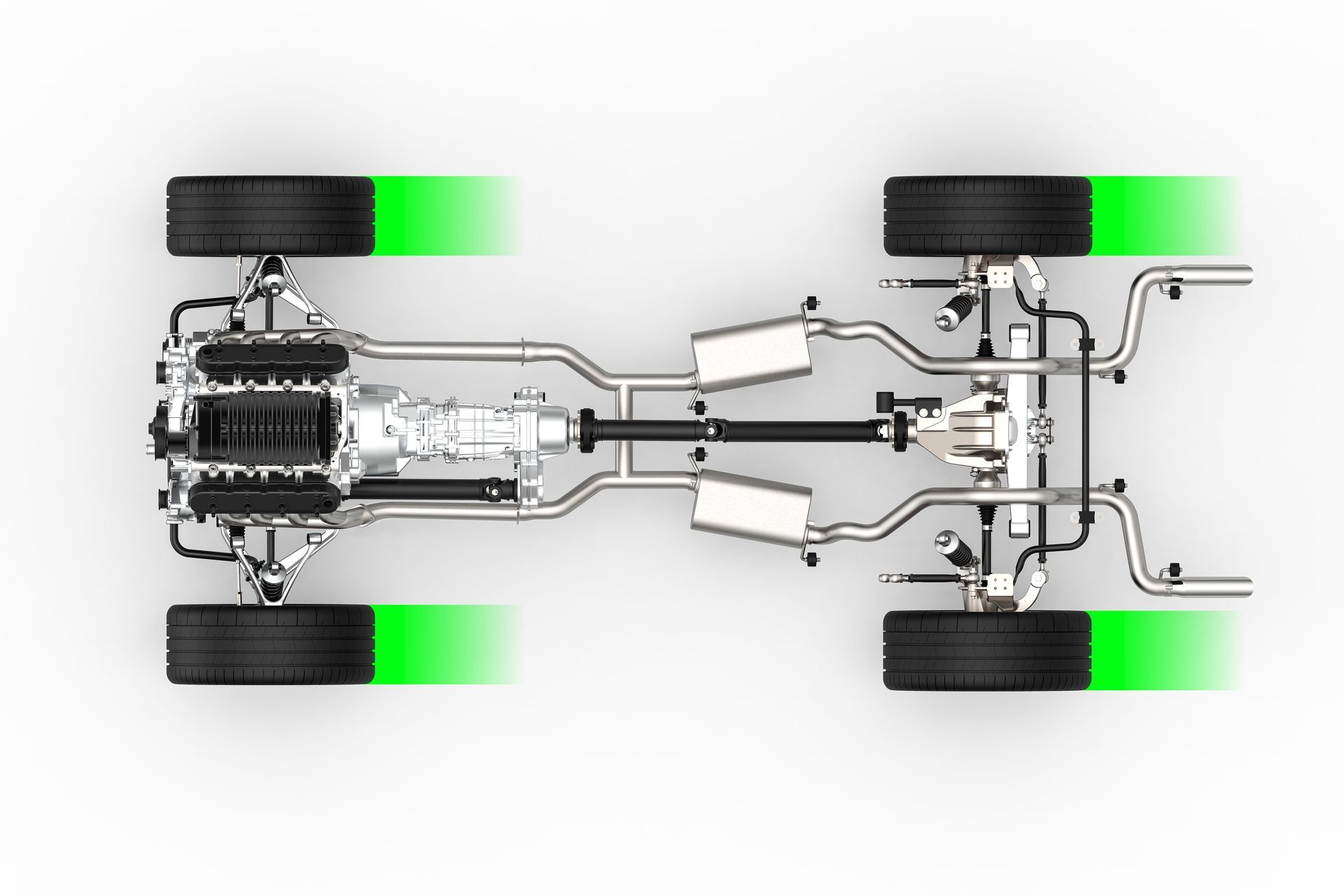
Undercarriage and Frame - The undercarriage bears the brunt of salt exposure. Brake lines, fuel lines, exhaust components, and suspension parts are constantly sprayed with salty slush. Over time, corrosion can weaken these components and lead to failures that affect safety.
Brakes - Salt can cause brake components to corrode, leading to sticking calipers, uneven brake wear, and reduced braking performance. Rust buildup can also shorten the lifespan of rotors and pads.
Body Panels and Paint - Once salt chips or penetrates the paint, it exposes bare metal underneath. This often leads to bubbling paint, flaking, and visible rust spots, especially around wheel wells, door edges, and rocker panels.
Electrical Components - Salt and moisture together can damage electrical connections. Corroded connectors may cause warning lights, sensor failures, or intermittent electrical problems that are difficult to diagnose.
How Road Salt Can Lead to Costly Repairs
Rust doesn’t just affect appearance—it compromises structural integrity and performance. Brake line corrosion can lead to sudden failure, suspension rust can affect alignment and handling, and exhaust corrosion can cause leaks that affect emissions and fuel efficiency.
These problems often develop quietly, making routine inspections critical during the winter months.
Tips to Protect Your Vehicle from Road Salt Damage
While it’s impossible to avoid road salt entirely in winter, there are effective ways to reduce its impact.
Tip 1: Wash Your Car Regularly
Frequent car washes help remove salt before it has time to corrode metal surfaces. Focus on:
- Undercarriage rinses
- Wheel wells
- Lower body panels
Even a quick rinse during winter can make a significant difference.
Tip 2: Apply Protective Coatings
Waxing your car before winter creates a protective barrier that helps prevent salt from sticking to paint. Undercoating treatments can also provide added protection for the undercarriage and exposed metal components.
Tip 3: Keep Drain Holes Clear
Doors and body panels have drain holes that allow water to escape. If these become clogged with salt and debris, moisture can be trapped, accelerating rust from the inside out.
Tip 4: Address Paint Chips Quickly
Small chips in the paint may not seem like a big deal, but they allow salt and moisture to reach bare metal. Touching up chips early helps prevent rust from spreading.
Tip 5: Schedule Winter Inspections
Professional inspections can catch salt-related damage before it becomes severe. Checking brake lines, suspension components, and exhaust systems during winter helps identify early signs of corrosion.
Why Winter Maintenance Matters More Than Ever
Winter conditions are tough on vehicles, and road salt is one of the biggest contributors to long-term wear. Proactive care during and afterthe winter months helps preserve your vehicle’s value and reliability. Regular maintenance also ensures that critical safety systems, like brakes and steering, remain in good working order despite harsh road conditions.
Road salt may be unavoidable, but costly damage doesn’t have to be. Taking preventive steps and staying on top of maintenance can significantly reduce corrosion and keep your vehicle running strong year after year.
If you want to protect your car from winter damage or suspect salt-related corrosion here in Fairfax, VA, or nearby areas of Fairfax County, our auto repair shop is here to help. At Benz Elite Automotive in Fairfax offer thorough inspections, maintenance services, and expert repairs designed to keep your vehicle safe and dependable. Contact us today to schedule an appointment and give your car the winter protection it deserves.