
Coolant never really disappears on its own, so when the level keeps dropping, the car is usually telling you something. The frustrating part is that a lot of cooling system leaks do not leave a neat puddle on the driveway. They evaporate, they seep only under pressure, or they hide behind covers.
If you catch the small clues early, you can usually avoid the overheated version of this story.
Why Coolant Can Drop Without A Puddle
Coolant often leaks only when the system is hot and pressurized. Once you shut the engine off, the drip slows down, then the remaining coolant lands on a warm surface and evaporates. That can leave you with a low reservoir and no obvious spot on the ground.
It can also travel before it drips. A seep at a hose end might run along a plastic tank, then drip from a completely different edge. That’s why the puddle location can be misleading, and why a quick look from above sometimes misses it.
The Reservoir Level Mistake Most Drivers Make
The reservoir level changes between hot and cold, and that confuses people. Checking it right after a drive can make it look higher than it really is, and checking it first thing in the morning can make it look low even when it is still within range. The best way to track a real drop is to check it at the same temperature each time, usually after the engine has fully cooled.
If you are topping it off repeatedly, that pattern matters more than any single reading. This is also where regular maintenance helps because it trains you to check levels before they become a problem, not after the dashboard is already warning you.
Leak Clues You Can See And Smell
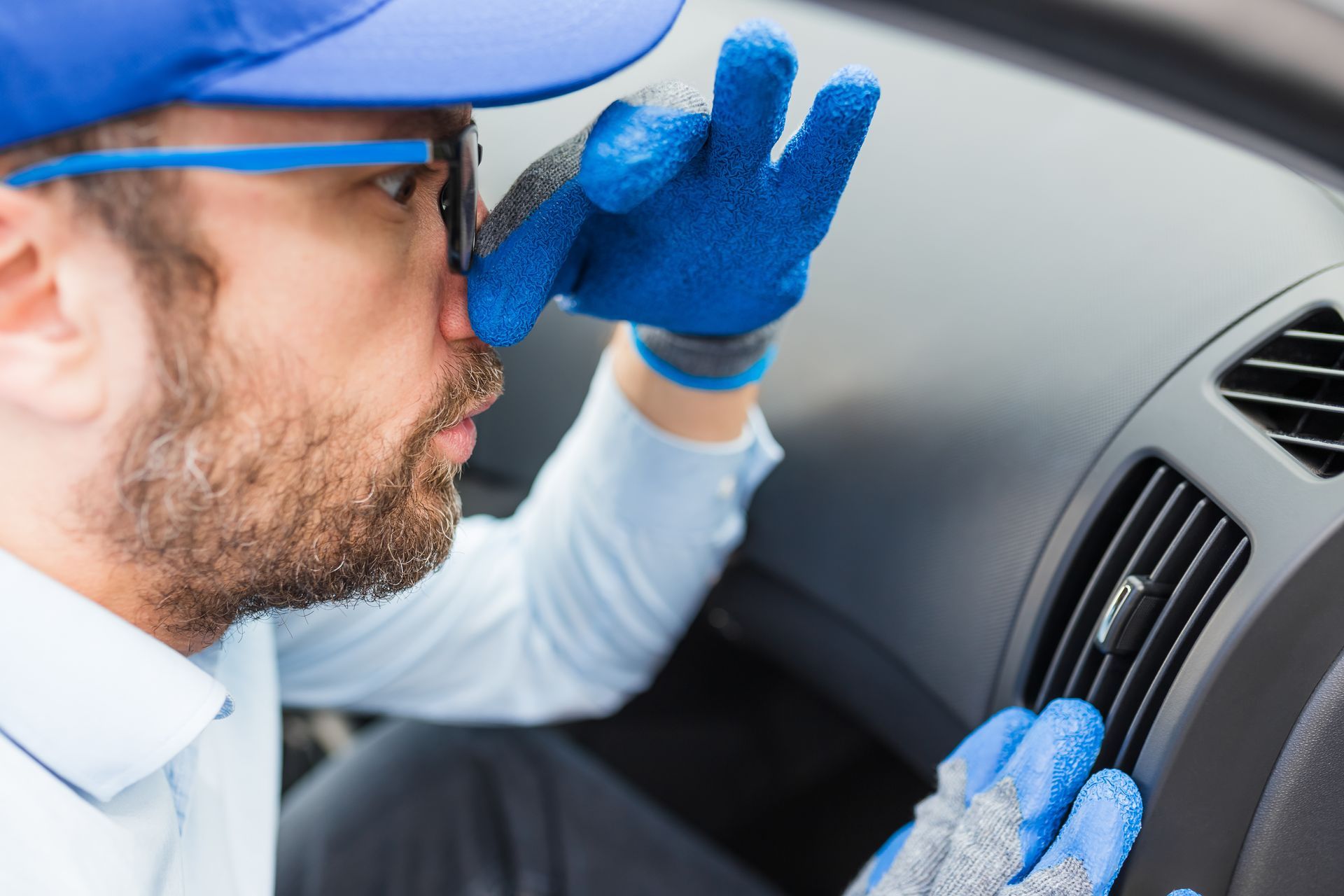
A lot of coolant leaks leave traces even when they do not drip. Dried coolant often looks crusty or chalky around hose connections and plastic seams. Sometimes the only clue is a sweet odor after shutdown, especially near the front of the vehicle.
Here are a few common leak clues drivers miss because they are subtle:
- Chalky residue around hose clamps or plastic fittings
- Dampness under the radiator cap area or at the reservoir seam
- A sweet smell after parking, especially in a garage
- A light haze or steam near the front of the engine bay after a drive
If you see residue, but it is hard to tell if it is old or new, wipe the area clean and recheck after a couple of days. Fresh traces show up quickly when a leak is active.
Pressure, Caps, And The Sneaky Vapor Loss
Cooling systems rely on pressure to raise the boiling point and keep the temperature stable. A weak radiator cap or reservoir cap can let pressure vent too early, and coolant can escape as vapor. You may never see liquid, yet the level keeps trending down.
Caps are cheap compared to most cooling system parts, but they can cause expensive confusion. If the cap seal looks cracked or flattened, or the cap feels unusually loose, it is worth checking. A pressure test can confirm whether the system is holding pressure the way it should.
When The Water Pump Or Thermostat Housing Is The Culprit
Water pump leaks are common because the pump has a rotating shaft and seal. Many pumps seep from a weep hole when the seal begins to fail, and that seep can evaporate quickly if it lands on a hot surface. You might notice a faint coolant smell more than you notice a drip.
Thermostat housings and plastic fittings are another frequent source on modern vehicles. Plastic gets brittle with heat cycling. A hairline crack can leak under pressure, then dry up and hide. If the coolant level drop is slow but steady, these are areas we often find during a careful check.
When It Is Not An External Leak
If coolant is dropping and there is truly no external trace, internal loss has to be considered. That does not automatically mean the worst-case scenario, but it does mean you should stop topping off and pretending it will sort itself out. Persistent white exhaust vapor after warm-up, unexplained pressure in the cooling system, or repeated low coolant with no residue can all be clues.
Another subtle sign is heater behavior. If the heater blows hot, then cool, then hot again during the same drive, the system may be low or pulling in air. Air pockets make coolant circulation inconsistent, and that can show up as temperature swings before the gauge ever moves.
What A Cooling System Check Should Include
A solid check starts with verifying the level when the system is cold, then pressure-testing the system to see where it loses coolant under controlled conditions. That single step finds a lot of leaks that never drip in the driveway. We also look for residue patterns and inspect common leak points like hose ends, radiator seams, the water pump area, and plastic housings.
An inspection also includes confirming the cap is holding pressure and checking for signs the system has been running hotter than normal. If the leak is small, catching it now usually means a simpler repair and fewer repeat visits.
Get Cooling System Leak Repair In Fairfax, VA, With Benz Elite Automotive
Benz Elite Automotive in Fairfax, VA, can pinpoint why your coolant level keeps dropping and recommend the right repair based on what we find.
Schedule a visit before a small seep turns into an overheating problem.