
Some Mercedes-Benz drivers notice that a 4MATIC model needs more space to complete a tight turn than a comparable rear-wheel-drive version. This is often a normal result of how the all-wheel-drive hardware is packaged rather than a sign that the steering system has failed.
A vehicle’s turning circle depends on wheelbase, track width, steering geometry, tire size, and the maximum angle at which the front wheels can turn. On many 4MATIC models, front axle shafts and related driveline components occupy space that is open on rear-wheel-drive versions. Mercedes-Benz may limit the steering angle to preserve clearance and protect those components.
Front Axle Shafts Change the Available Space
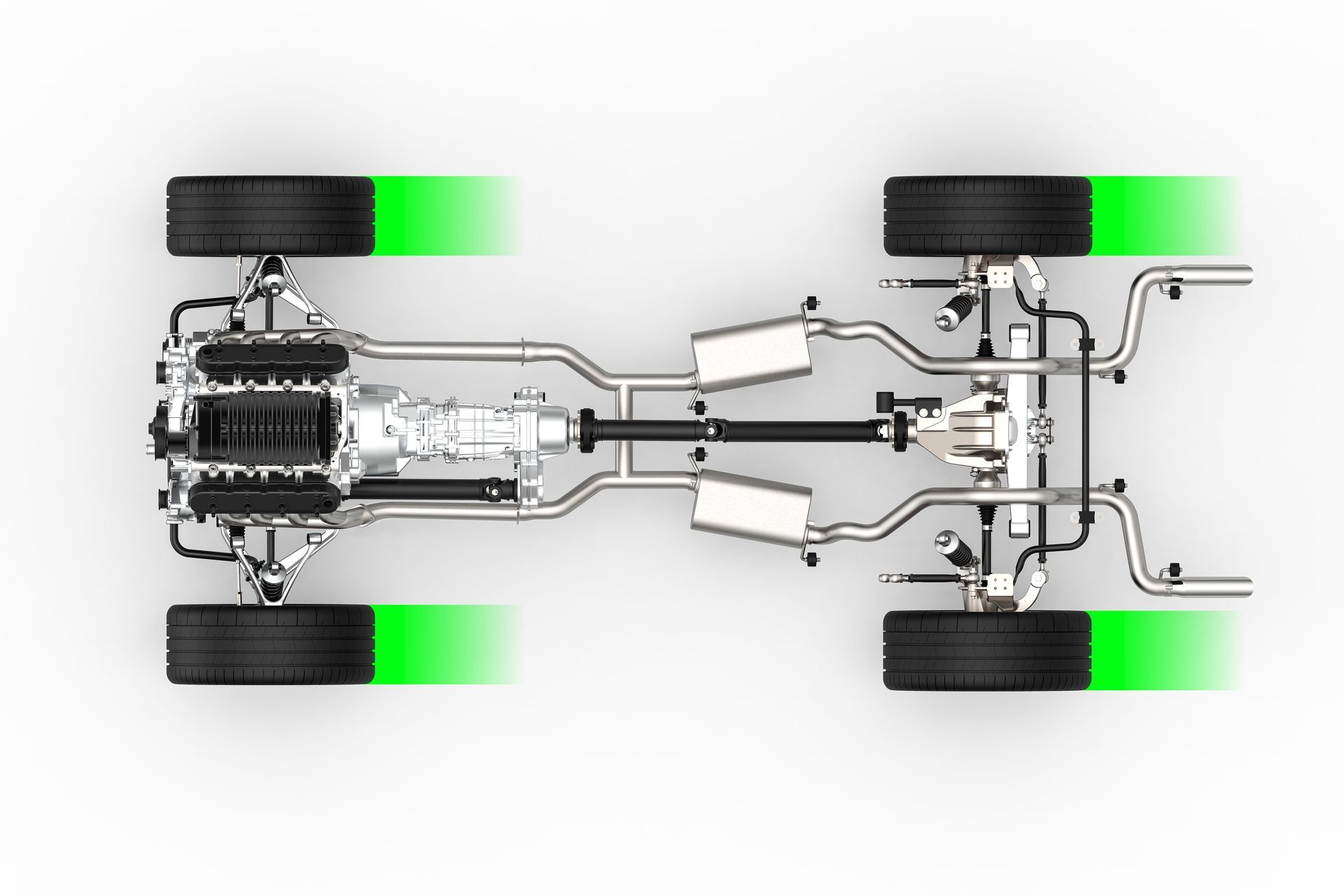
A rear-wheel-drive Mercedes-Benz sends engine power toward the rear differential. The front wheels steer and support the vehicle, but they do not need axle shafts delivering torque through the steering knuckles.
A 4MATIC vehicle adds a front differential, axle shafts, constant-velocity joints, and other hardware needed to drive the front wheels. Each front axle shaft must flex as the suspension moves and articulate as the wheel turns. Space is required around the joint, boot, control arms, wheel, brake components, and surrounding structure.
Allowing the wheel to turn too far could cause contact between parts or place the CV joint at an excessive operating angle. Limiting steering travel prevents interference and reduces stress on the axle joint while power is being delivered.
Maximum Steering Angle Determines the Turning Circle
The turning circle is heavily influenced by the maximum angle of the inside front wheel. During a tight turn, the inside wheel turns farther than the outside wheel because it follows a smaller path. This relationship is built into the steering geometry.
A small reduction in maximum steering angle can create a noticeable increase in the space required for a U-turn or parking maneuver. The difference may feel more pronounced in a long-wheelbase sedan or SUV because the rear wheels travel through a wider arc.
Steering stops may be incorporated into the rack, knuckle, control arm, or software-controlled steering system. These limits are intentional. Modifying them to gain a tighter turn can create tire contact, axle interference, damaged boots, or excessive CV-joint angles.
Wheel and Tire Packages Can Affect Clearance
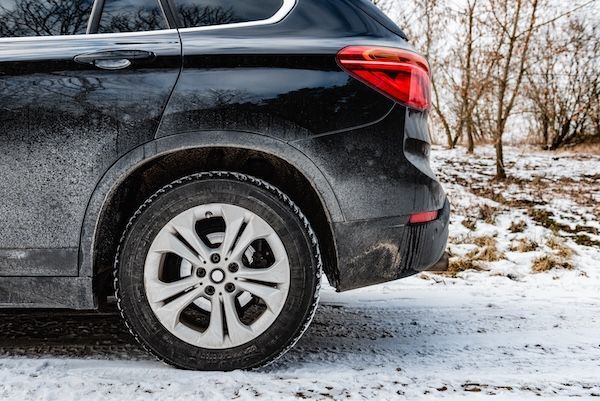
Mercedes-Benz often offers several wheel sizes for the same model. Wider wheels, larger tires, staggered fitments, and performance packages can reduce clearance inside the wheel opening. The manufacturer may use different steering limits depending on the installed equipment.
Tire clearance must be maintained through the full range of suspension travel. A tire that clears while the vehicle is parked may move closer to the liner, suspension, or body when the wheel rises over a bump.
Factors that can influence turning space include:
- Wheel width
- Tire width and overall diameter
- Wheel offset
- Suspension height
- AMG or sport packages
- Brake package size
- Wheelbase and body configuration
Installing wheels with an incorrect offset can make the tire rub before the steering reaches its intended stop. Replacement tires should match the approved size, load rating, and fitment for the exact vehicle.
Not Every 4MATIC Model Turns the Same Way
Mercedes-Benz uses several 4MATIC layouts across sedans, coupes, crossovers, SUVs, electric vehicles, and performance models. The location of the engine and transmission, the design of the front differential, and the way torque reaches the front wheels all influence packaging.
Some models have only a slight difference compared with rear-wheel drive. Others require noticeably more room. A compact 4MATIC sedan may still turn more tightly than a large rear-wheel-drive SUV because overall vehicle dimensions remain important.
Comparisons should be made between equivalent models with similar wheels, tires, and suspension packages. A long-wheelbase version or performance model may have a wider turning circle for reasons beyond the all-wheel-drive system.
Tire Scrubbing During Tight Turns
Some 4MATIC vehicles may produce a light hopping, binding sensation, or tire scrub during very tight, low-speed turns, especially on dry pavement. Tire design, cold temperatures, wheel alignment, steering geometry, and driveline operation can all influence this behavior.
A mild sensation at full steering lock is different from severe binding, repeated clunking, or resistance before the wheel reaches the stop. Strong vibration or noise can point to worn axle joints, incorrect tires, differential trouble, damaged suspension parts, or another condition requiring testing.
Drivers should avoid holding the steering wheel forcefully against full lock for extended periods. Backing off slightly reduces load on the steering mechanism, tires, and front driveline while usually changing the turning path very little.
When a Wider Turn Indicates a Problem
A consistent turning circle that has existed since the vehicle was purchased is usually a design characteristic. A sudden change in steering effort, reduced travel on one side, or new tire contact is not normal.
Warning signs that deserve attention include uneven steering range, pulling, clunking, clicking during turns, tire rubbing, an off-center steering wheel, or a steering warning on the dashboard. Recent suspension work, wheel replacement, collision damage, or alignment changes should also be considered.
An inspection can identify bent steering parts, displaced liners, incorrect wheels, damaged axle boots, worn joints, or alignment concerns. Regular maintenance should also include checking tire size, pressure, tread condition, and suspension wear because each can influence low-speed steering behavior.
Get Mercedes-Benz 4MATIC Steering Service In Fairfax, VA, With Benz Elite Automotive
Benz Elite Automotive in Fairfax, VA, can evaluate steering angle, wheel and tire fitment, alignment, front axle components, suspension parts, and 4MATIC operation.